Choose the Right Structure, Protect Your Assets, Minimize Taxes, Build Your Legacy!!!
“The Wrong Business Structure Can Cost You Thousands in Taxes and Put Your Personal Assets at Risk.”
Learn how to choose the right business structure so you can:
✔ Protect your home and savings
✔ Reduce taxes legally
✔ Build business credit
✔ Get funding faster
✔ Create a business that lasts
FREE DOWNLOAD:
“The 5 Business Formation Secrets Most Entrepreneurs Don’t Know”
Enter your email below
Why Start Your Business
With maxx finances?
Starting a business is more than filing paperwork—it’s about building a strong foundation. We ensure your business is structured correctly from the beginning so you can operate confidently and grow without setbacks.
The Business Formation Blueprint™
A step-by-step system created by Maxx Finances to help you:
✓ Choose the right entity
✓ Form your business correctly
✓ Understand tax implications
✓ Build credibility with lenders
✓ Position your company for long-term growth
THE PROBLEM
Most entrepreneurs start their business the wrong way. They:
X Operate in their personal name
X Overpay self-employment taxes
X Miss funding opportunities
X Expose personal assets to lawsuits
X Have no succession plan
DETAILED ENTITY BREAKDOWN
The structure you choose affects liability, taxes, and the tax return you file.
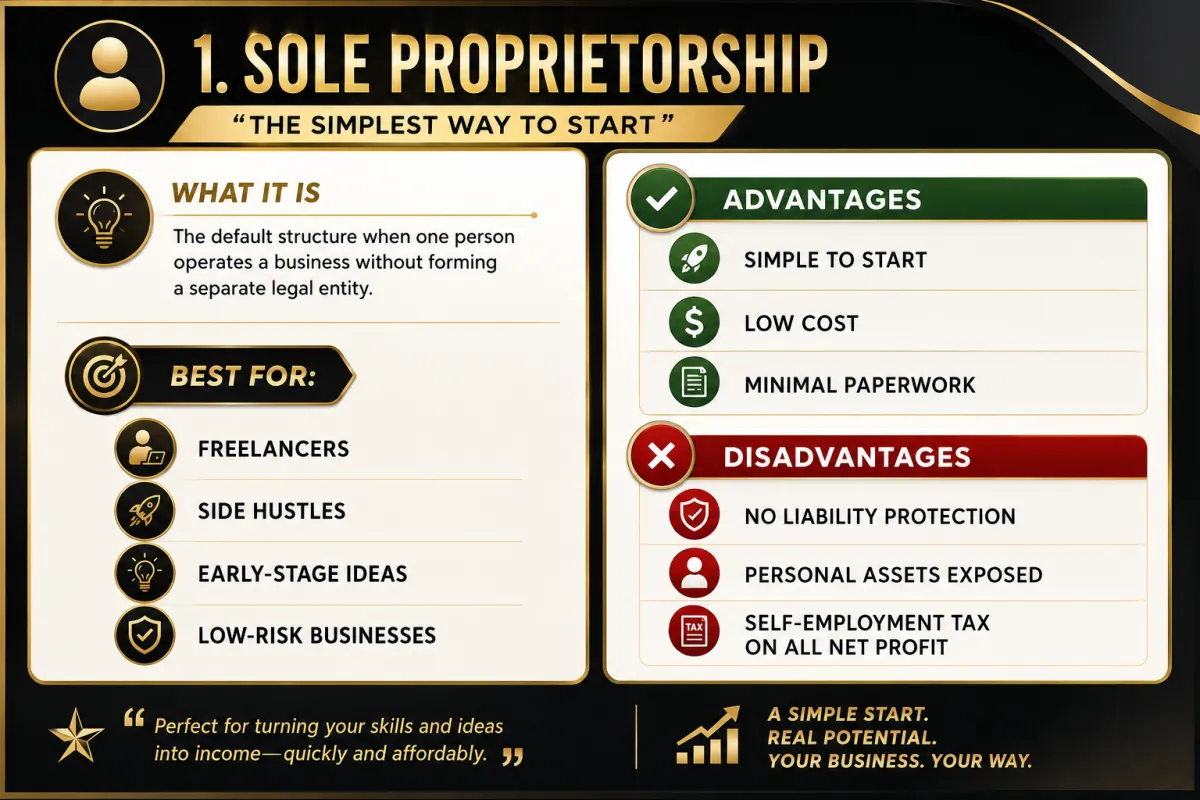
Real-Life Example: Mobile Notary Testing the Market
Aquila is a teacher and starts a mobile notary business on evenings and weekends while working a full-time job. In her first year, she earns $15,000 by notarizing loan documents, affidavits, and legal forms for clients in her local area. She has basic business expenses such as gas, printer paper, toner, and supplies totaling $3,000, leaving her with $12,000 in net profit. Because she has not formed an LLC or corporation, she operates as a sole proprietor, and the profit is reported directly on her personal tax return. This structure is simple and inexpensive, making it ideal for someone testing the market before deciding whether to form an LLC as the business grows.
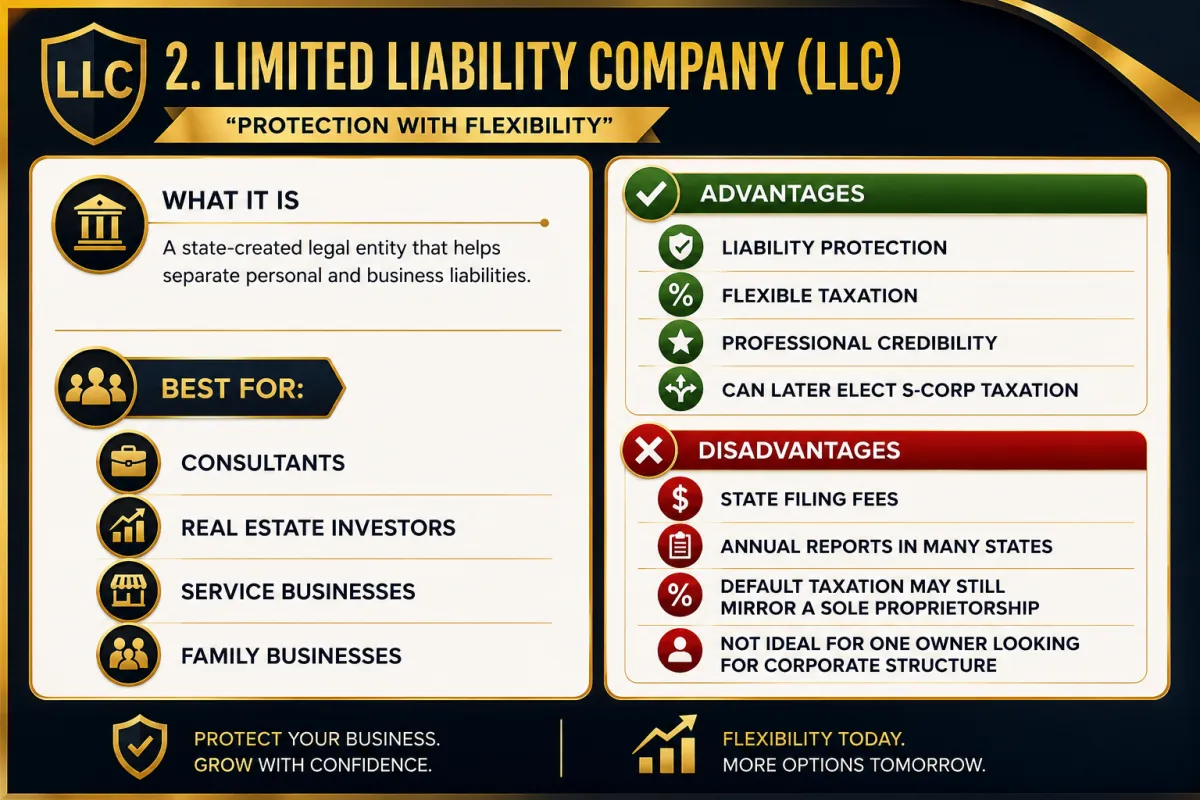
Real-Life Example: Tax and Credit Consulting Business Seeking Asset Protection and Funding Credibility
Cedric launches a tax preparation and credit consulting business called Maxx Finances. In the first year, the business generates $120,000 in gross revenue from tax preparation, credit repair, business formation, and coaching services. After deducting $40,000 in operating expenses, the business earns $80,000 in net profit.
Because Cedric works with sensitive financial information and serves clients nationwide, he wants to protect his personal assets and establish credibility with banks and lenders. He forms an LLC to separate his business from his personal affairs, obtains an EIN, opens a business bank account, and runs all income and expenses through the company. With this structure in place, Maxx Finances can: Protect Cedric’s personal assets from many business-related liabilities, Build business credit under the company’s name. Apply for lines of credit and business funding, Establish a more professional presence with clients and lenders, Elect S-Corp taxation later if profits justify additional tax planning, By operating as an LLC, Cedric moves from being a sole operator to the owner of a properly structured business designed for protection, growth, and long-term wealth building.
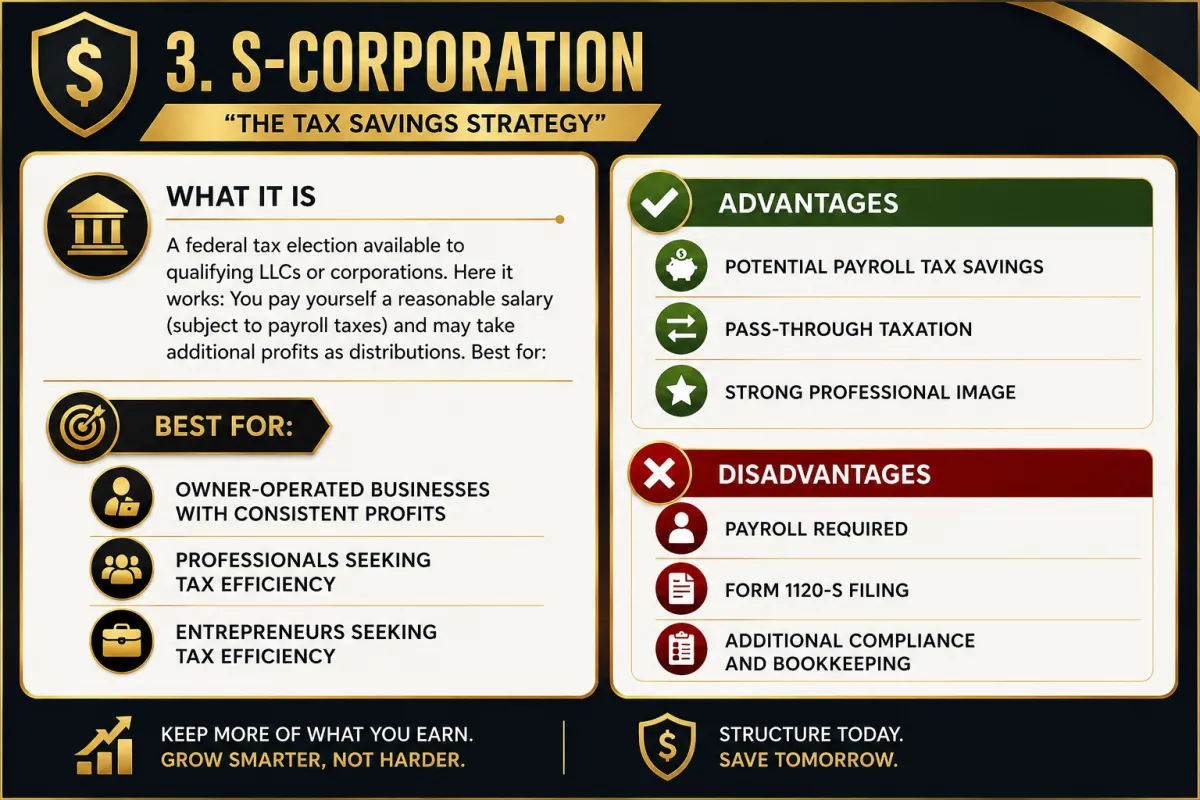
Real-Life Example: Consultant Using an S-Corp to Reduce Self-Employment Taxes
James is a business consultant who earns $180,000 in annual revenue from coaching and advisory services. After deducting $60,000 in business expenses, he has $120,000 in net profit. Because his income is consistent and recurring, James elects to have his LLC taxed as an S-Corporation. He pays himself a reasonable salary of $60,000 through payroll, and the remaining $60,000 is taken as owner distributions. This structure can reduce the portion of income subject to self-employment taxes while maintaining liability protection and a professional business structure.
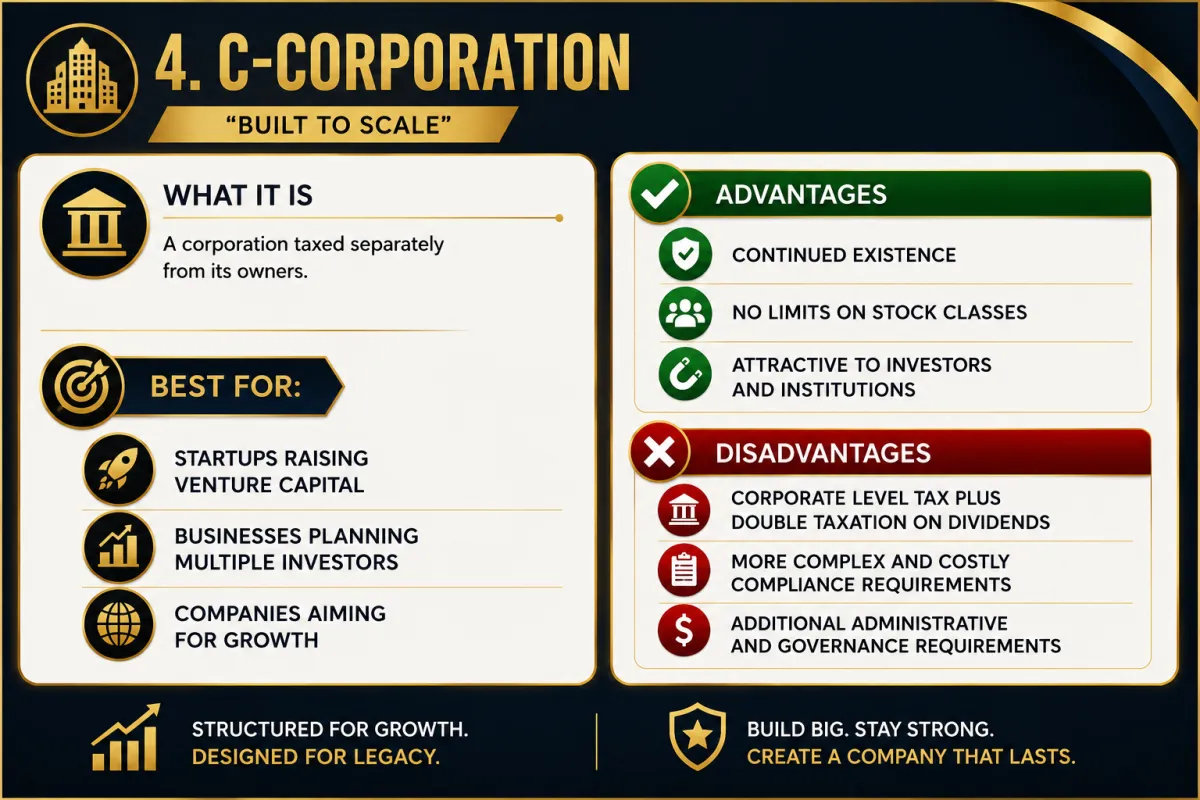
Real-Life Example: Technology Company Using a C-Corporation to Raise Investor Capital
TechNova Solutions is a software startup developing an artificial intelligence platform for small businesses. In its first year, the company generated $500,000 in revenue and projects rapid growth. To prepare for expansion, the founders form a C-Corporation because investors and venture capital firms typically prefer this structure. The company authorizes 10 million shares of stock, allowing it to issue ownership to founders, employees, and outside investors. TechNova then raises $5 million from investors in exchange for equity, using the funds to hire engineers, expand marketing, and scale nationwide. The C-Corp structure provides the legal framework and flexibility needed to attract large amounts of investment capital and build a high-growth enterprise.
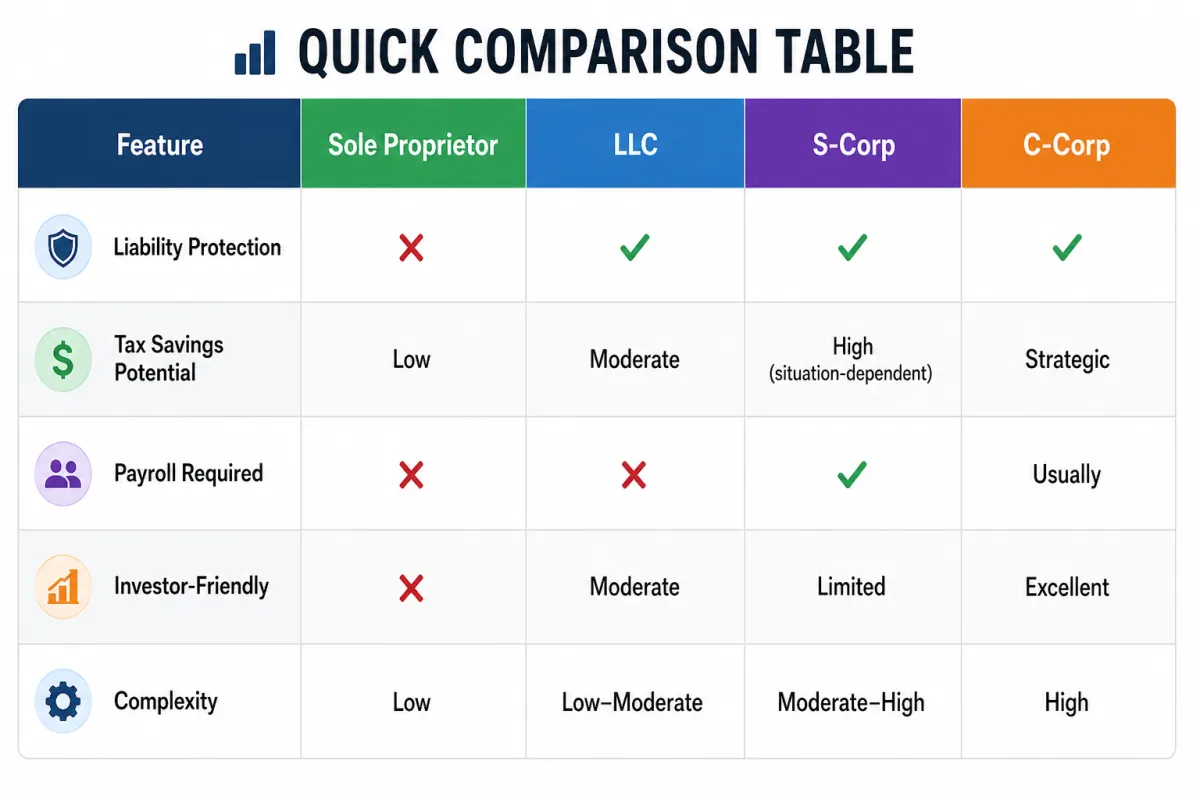
THE BIG SECRET
“Most Successful Businesses Evolve Over Time”
A common progression:
1. Start as a Sole Proprietor
2. Form an LLC for protection
3. Elect S-Corp taxation when profits justify it
4. Consider C-Corp if pursuing outside investment
WHAT WE OFFER?
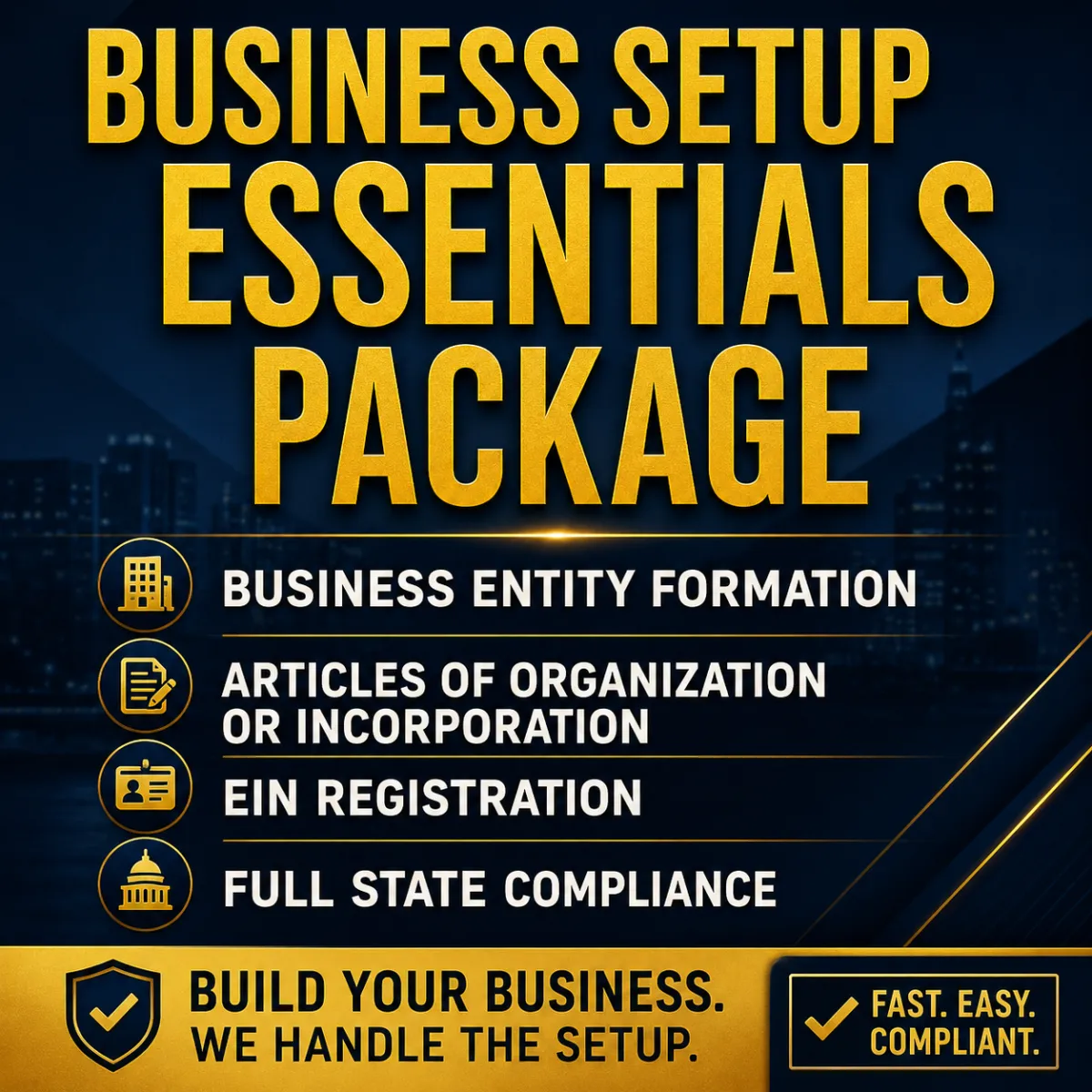
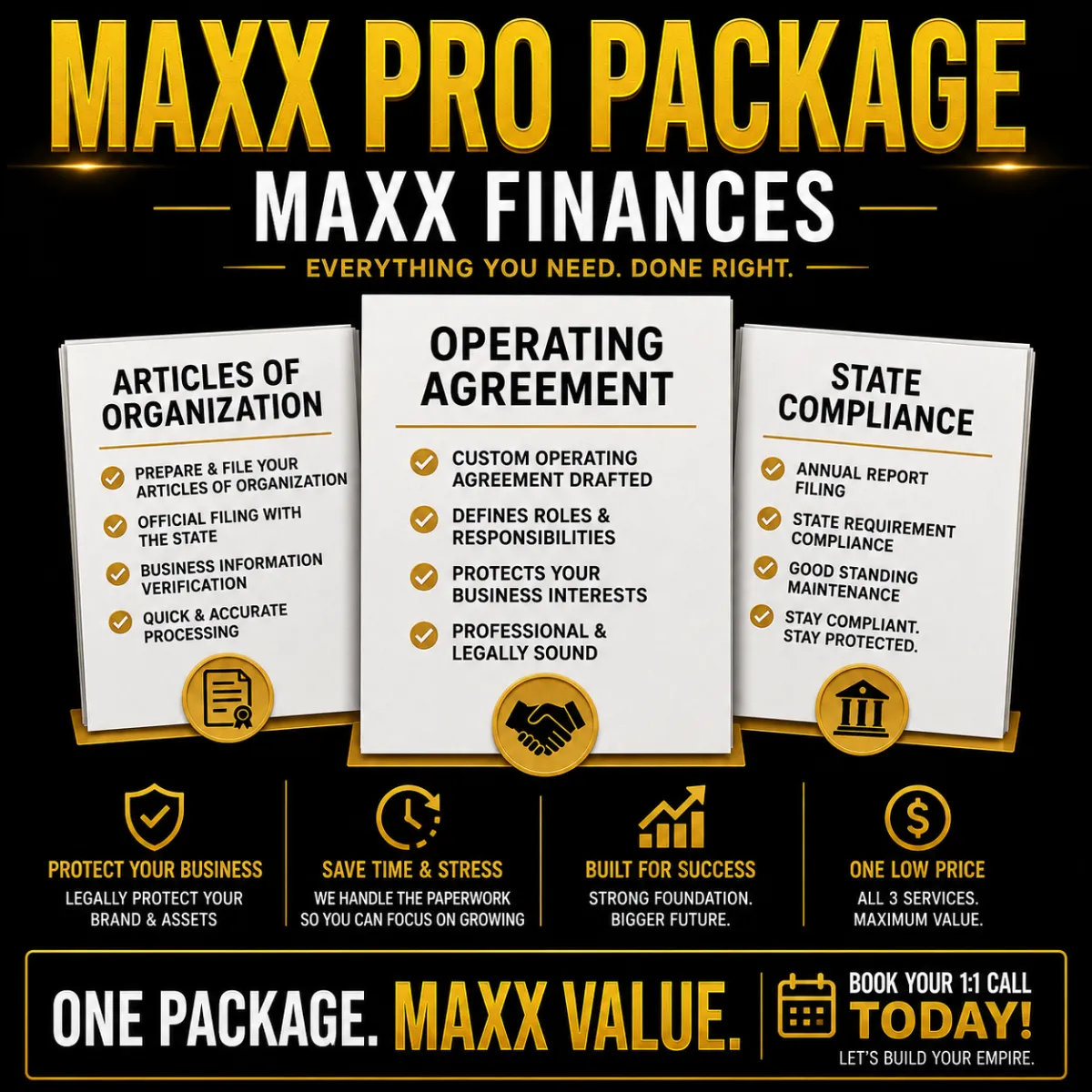
MAXX FINANCES BUSINESS FORMATION PACKAGE INCLUDED:
• Business structure consultation
• Entity recommendation
• State filing assistance
• EIN guidance
• Operating agreement or corporate
documents guidance
• S-Corp election guidance (if appropriate)
• Compliance checklist
• Funding readiness consultation
BONUS OFFER:
“Funding Ready Starter Kit”
Learn how to:
• Obtain an EIN
• Set up business banking
• Establish credibility
• Prepare for business credit and funding
FAQs
Top Questions People Are Asking About Credit Repair
What Is the Best Business Structure for My Business?
It depends on:
Your income level
Liability exposure
Number of owners
Funding goals
Long-term tax strategy
General Rule:
Testing a small idea? → Sole Proprietor
Need protection? → LLC
Consistent profits and tax savings? → LLC taxed as S-Corp
Seeking outside investors? → C-Corp
Need protection for all assets and businesses? → Trust
What Is the Difference Between an LLC and an S-Corp?
This is one of the most misunderstood concepts.
LLC = Legal entity created under state law
S-Corp = IRS tax election
An LLC can elect to be taxed as an S-Corp by filing Form 2553.
Why It Matters:
You can get:
✔ Liability protection from the LLC
✔ Potential self-employment tax savings through S-Corp taxation
Do I Need an LLC to Protect My Personal Assets?
An LLC generally separates your personal assets from business liabilities, if you maintain proper
formalities and avoid mixing funds.
This May Help Protect:
Your home
Personal bank accounts
Vehicles
Savings
When Should I Elect S-Corp Status?
Many owner-operated businesses begin exploring S-Corp taxation when profits are consistently strong enough that tax savings outweigh payroll and compliance costs. Exact break-even points
vary by business and state.
Potential Benefits:
Reduce self-employment taxes
Pay yourself a reasonable salary
Take remaining profits as distributions
What Structure Do Investors Prefer?
Outside investors often prefer C-Corporations because they allow multiple stock classes and
have fewer ownership restrictions.

Facebook
Instagram
LinkedIn
TikTok